
SAM.gov Entity Administrator Appointment Letter: Step-by-Step FSD Guide
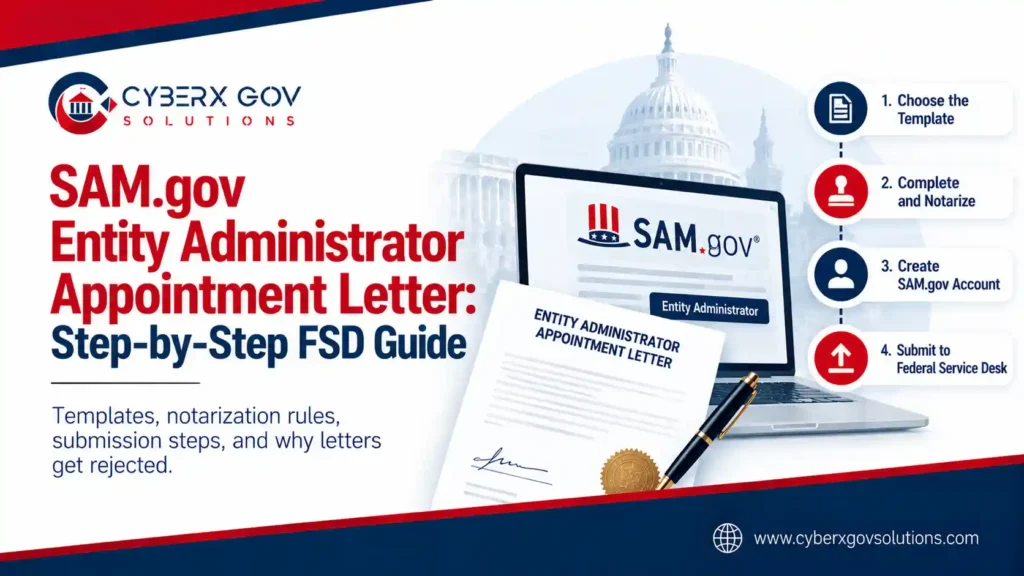
You log in to update your SAM.gov registration and find you have no access. The person who set it up left months ago, and no one else can touch the record. A renewal is due, and the clock is running. When no one can approve you from inside SAM.gov, the fix is a specific document: […]
Micro-Purchase Threshold 2026: $15,000 Rules, Exceptions, and How to Win Purchase Card Buys
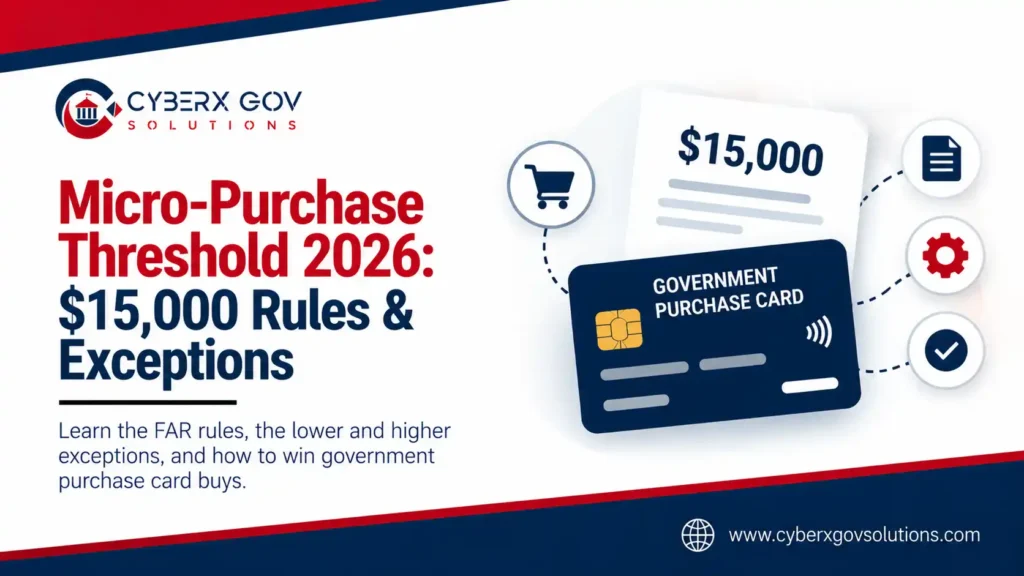
Some of the fastest money in federal contracting changes hands without a single formal bid. A contracting officer or a cardholder buys what the agency needs, often on a government charge card, and the deal is done. That lane is the micro-purchase threshold. As of 2026, it sits at $15,000. Purchases at or under that […]
Federal vs. SLED Proposals: What Changes and What Stays the Same
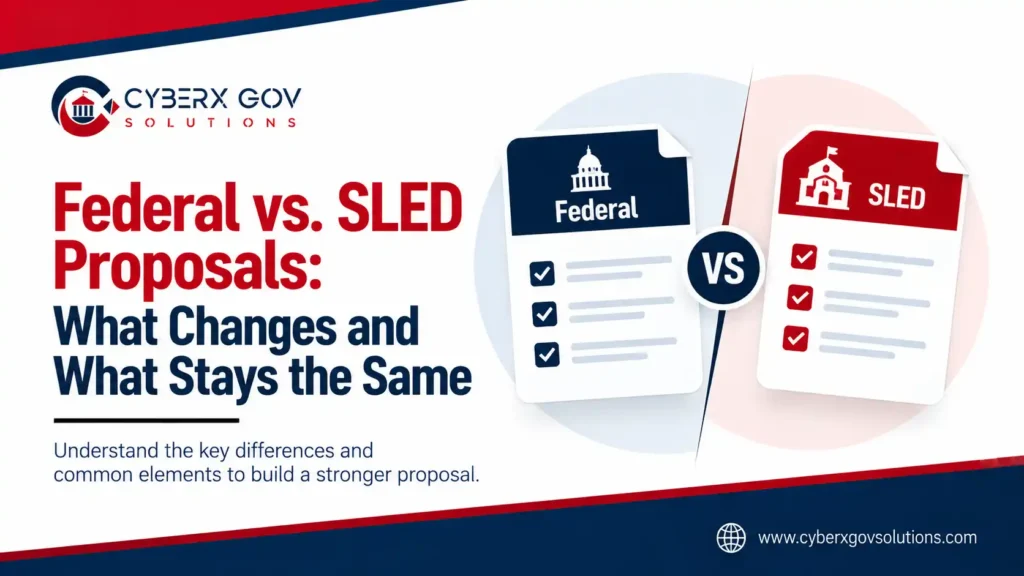
Contractors experienced in federal contracting often look to state, local, and education (SLED) opportunities to expand their business. Their experience with federal proposals gives them a useful starting point. However, federal and SLED procurements have different processes, requirements, and evaluation methods. Reusing an existing federal proposal may save time, but copying it without adapting the […]
Shadow AI in Proposals: 5 Risks That Could Trigger a GovCon Protest
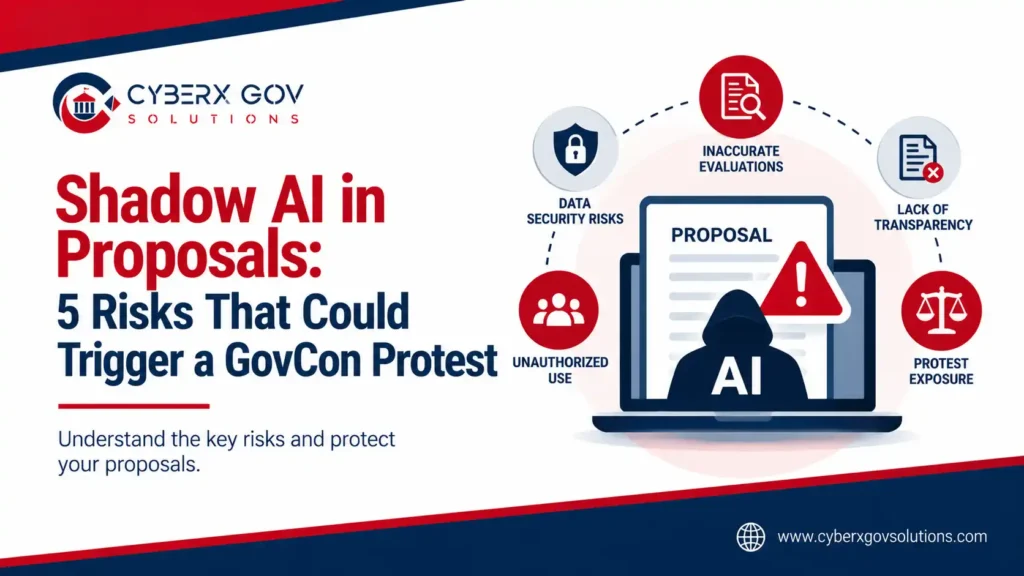
Artificial intelligence (AI) is changing how federal contractors prepare proposals and how government agencies evaluate them. AI tools can summarize lengthy documents, organize technical information, and speed up repetitive tasks. Proper oversight ensures these tools support fair, secure, and trustworthy evaluations, helping the audience feel empowered to manage AI responsibly. Consider an evaluator who relies […]
Decoding the RFP: Why Sections L and M Decide Your Outline
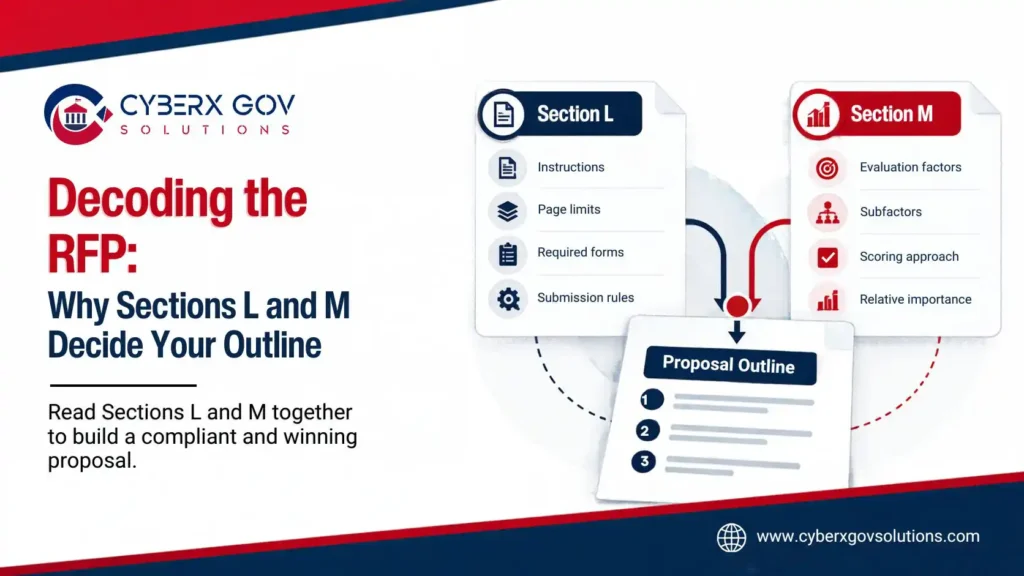
Plenty of proposals lose points before the evaluator reads a single real sentence. The reason is simple. The response did not follow the solicitation. In a federal RFP, two sections control that outcome. Section L tells you how to build the proposal. Section M explains how it is scored. Read them together, and you see […]
Bid or No-Bid: A Framework for Saying No
Every proposal team has been there. A deadline is closing in, the team is running on fumes, and halfway through the draft, someone finally says out loud what everyone sensed: they never believed this one could win. A structured bid/no-bid decision heads that off. It will not hand you wins, but it aims your limited […]
AI vs. Compliance Matrix: 6 Errors Humans Still Catch
A compliance matrix is critical because it can determine bid success before evaluators see the proposal’s themes. Missing a requirement can lead to disqualification, so understanding AI’s role in building it is essential. While AI is fast and generally accurate on well-structured RFPs, it can miss the high-stakes, complex requirements that truly determine compliance, which […]
Can AI Pass Color-Team Review? 4 Honest Limits
Ask a chatbot to grade your proposal, and it will cheerfully hand you a rating, a list of strengths, and a confident thumbs-up. It will look like a review. The real question is whether it would survive the review that decides the award, the one government evaluators run against Section M. The honest answer: AI […]
Prompting for Proposals: 6 Patterns That Beat Generic AI
Walk into any proposal shop today, and you will see the same scene. A writer inputs the RFP into a chatbot, types write a response to this,’ and receives three paragraphs of confident, polished, but often forgettable text. This highlights how generic prompts lead to repetitive, uninspired proposals, making it clear why differentiation matters. That […]
Is the 8(a) Program Shrinking? What FY26 Set-Aside Data Signals for Your Next Move
The count says it plainly. In about four months, the 8(a) program shed nearly 900 firms. That is no rounding error. It is the steepest drop the program has posted in years, and it landed at the same moment the rules for getting in were being rewritten. So take the honest answer first: the 8(a) […]